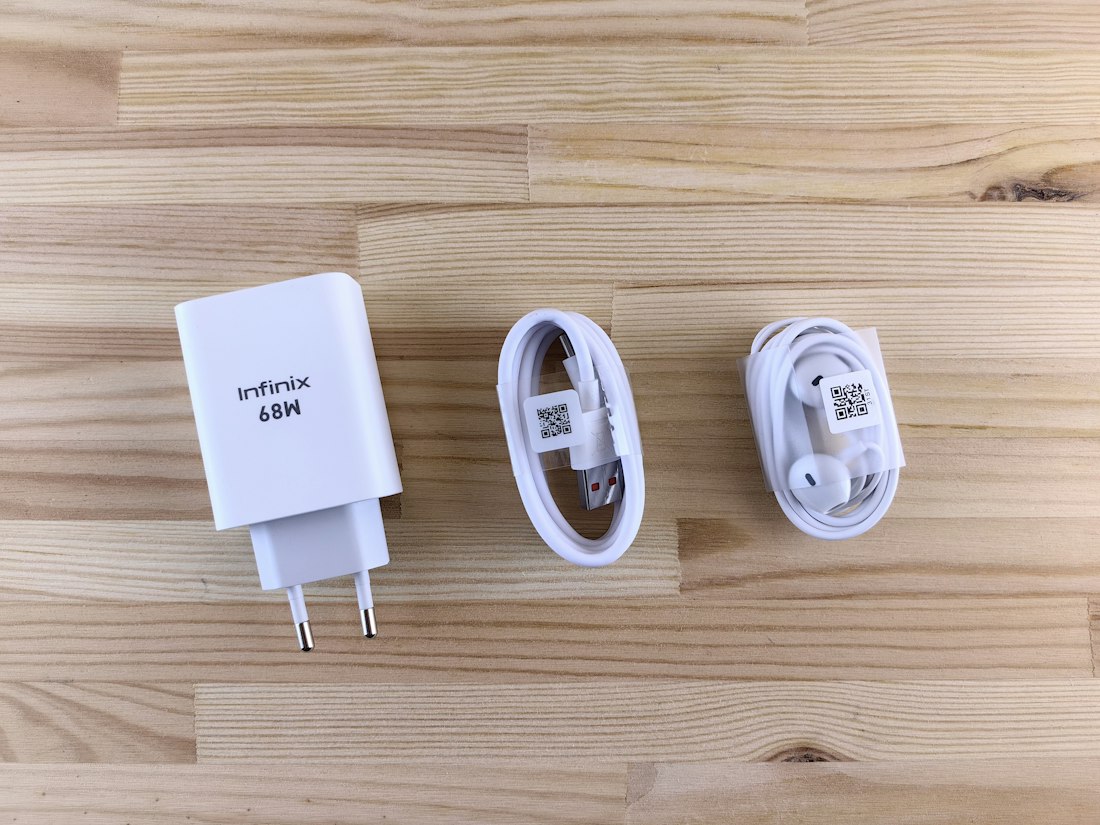
A good phone charger or power bank needs to be compatible with your device and safe for its intended use. Advertised capacity and output numbers provide useful starting points, but they rarely tell the whole story. This guide explains the checks that matter before you buy.
Understanding the mAh figure on a power bank
Power banks frequently advertise capacity in milliamp-hours (mAh), but that number is usually linked to the internal cell voltage and does not mean the exact same amount of charge will reach your phone. Conversion losses, operating temperature, cable quality and charging circuitry affect usable output.
For meaningful comparisons, look for the maker’s rated energy in watt-hours (Wh), stated output voltages and actual usable or rated output capacity. Do not assume a very low price proves a battery’s advertised capacity is genuine.
Watts: what charger output means
Watts measure power. Charging speed depends on what the phone can accept, what the adapter can supply and what the cable supports. A charger labeled 65W does not necessarily charge every phone at 65W, and a multiport charger may share total available power across its ports.
Look beyond the USB-C connector
USB-C describes a connector; it does not by itself prove support for every charging or data feature. Check the standards and protocols recommended by the device manufacturer, such as compatible USB Power Delivery modes where relevant, and match them with a properly rated cable.
Choosing a wall adapter
- Read the printed input and output electrical ratings.
- Verify the manufacturer, model identifier and trusted seller.
- Ensure the adapter’s plug is suitable for your electrical supply and outlet type.
- Look for credible safety documentation rather than relying on a marketing badge alone.
- Stop using accessories with cracks, exposed wiring, abnormal heat or damage.
Choosing a power bank for travel
Consider physical size, weight, output power and actual rated energy. Batteries are regulated in some travel settings, especially air travel; airline requirements can differ. Check the airline’s current policy before taking large battery packs on a flight.
Charging safely every day
Keep chargers and battery packs away from water, flammable materials and excessive heat. Do not cover equipment that becomes hot while charging or attempt to open a swollen or damaged battery. Follow manufacturer guidance for your phone and accessories.
A practical comparison
If your use is mainly overnight home charging, a reliable compatible wall adapter may be sufficient. For commuting and long workdays, a compact power bank may be more useful than the largest advertised model. Consider your actual charging needs rather than buying the highest headline numbers.
Related research and guidance
Read our USB-C charger compatibility guide, browse accessory information, or consult the third-party price reference guide. Prices in the research guide are not current Mexicophones offers.